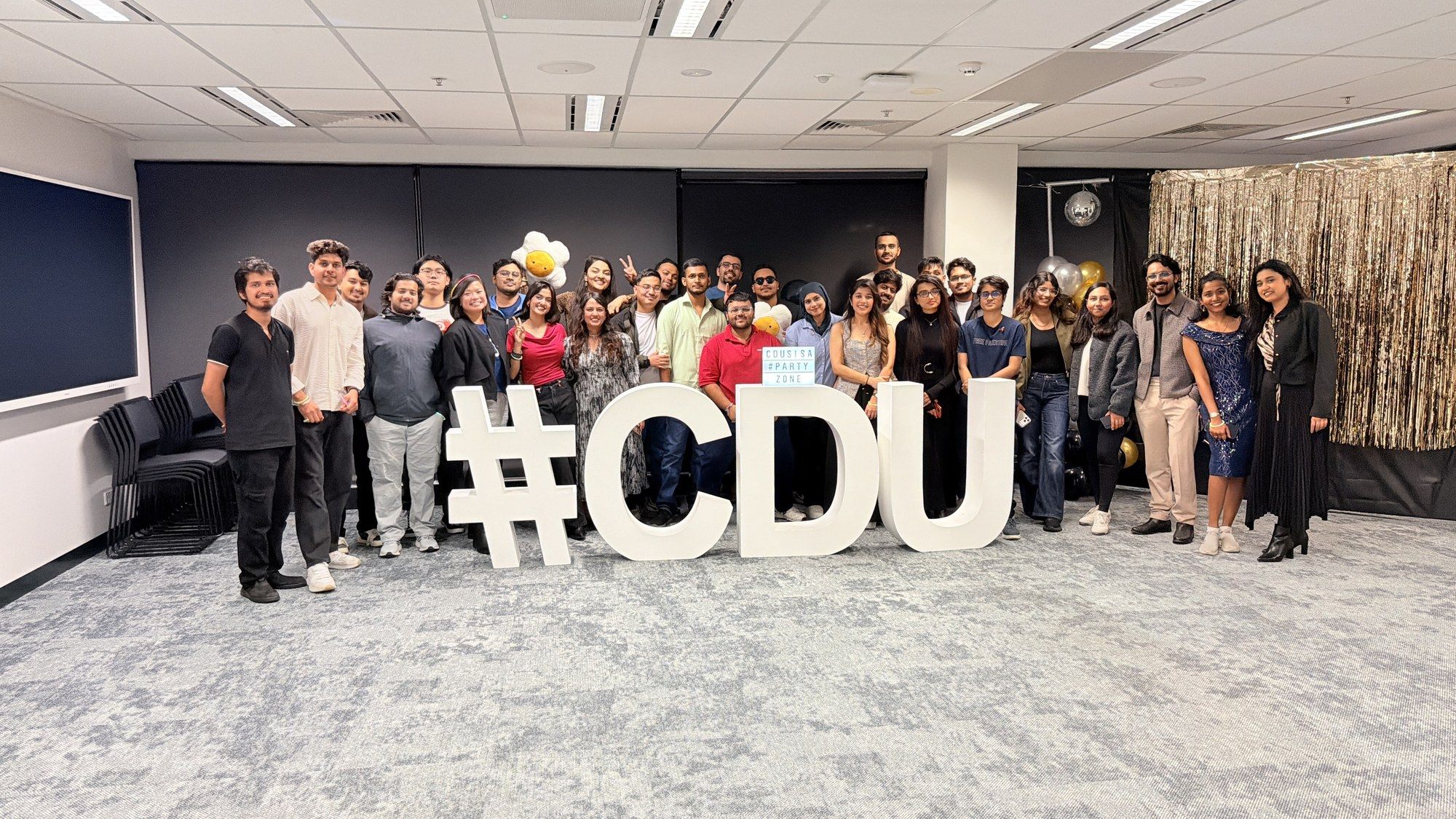
As Event Coordinator for SISA, I wrote two event proposals in 2026: an End of Semester Celebration for up to 100 CDU Sydney students, and a four-event program for the 2026 funding round. Both were selected. The documents themselves belong to the association, so here is what I learnt writing them, rather than the files.
Answer the obvious objection before anyone asks it. The first thing a committee wonders about a 100-person event is whether the room can take it. So the proposal says, up front, that the floor limit is 150 and who confirmed it. The cap of 100 is then explained as a deliberate margin, not a guess.
Tie spending to a mechanism, not a wish. Catering was the biggest line, so the proposal describes exactly how the order would be placed: registration first, dietary preferences collected, registrations closed before the caterer’s deadline, order placed on confirmed numbers with a small buffer. Approval is for the maximum; spend follows reality.
Make inclusion a design decision. CDU Sydney has students from South Asian, Southeast Asian, Chinese, Middle Eastern and many other backgrounds. Choosing any one of those cuisines would signal that the night belonged to one group. Lebanese catering was proposed as a neutral, shareable menu with clear vegetarian, vegan, halal and gluten-free options, and the proposal says exactly that reasoning out loud.
For the four-event program the rule was different: three of the four had to work as Orientation Week activities. So each event, from a Connect & Play game night to a potluck food festival and weekly Eat & Learn sessions, is tagged with the requirement it satisfies, its expected numbers, and a cost breakdown small enough to check in your head. The flagship, an indoor climbing day, even lists two cheaper alternatives in case the committee preferred a walk to a wall.
None of this is clever. It is just writing the document the reader needs, in the order they need it, with the numbers they are going to ask about already filled in.
The skeleton I reuse
- The ask in one line. What, for whom, when, and the most it could cost.
- Why this event, in plain words, before any numbers.
- The first objection, answered. A number and who confirmed it.
- Spending tied to a mechanism. Registrations decide the order, not the approval.
- Inclusion as a decision, with the reasoning written out.
- A risk table. The risk on the left, the control on the right.
- A budget in ranges, with a contingency line and one cheaper alternative.
- An easy last line. Make it simple to say yes, or to swap one piece.